Invyt.App Team
November 8, 2026
10 min read
When to start your wedding seating chart, how many tables you need, who sits where, and how to display it, with a table count for 50 to 200 guests.
Planning your wedding?
Invyt makes RSVP management easy — track guests, dietary needs, and plus-ones all in one place.
Try Invyt free →Make your wedding seating chart after your RSVP deadline, not before. Start a rough draft the week your RSVPs close, which is usually four to six weeks before the wedding, and lock it one to two weeks out, when your caterer asks for the final count. Any earlier and you will redo it every time a reply comes in.
A wedding seating chart is the plan that assigns every confirmed guest to a reception table, and sometimes to a specific chair. Guests see it as a display board or as escort cards at the entrance. Your caterer, venue coordinator and DJ use the same plan to serve meals, place high chairs and find the people they need for toasts.
Quick summary: Wait for final RSVPs. Count confirmed guests including plus-ones and kids, then divide by 8 for 60-inch round tables or by 10 for 72-inch rounds. Seat the family tables first, then group the rest by how guests know you. Display the chart alphabetically by last name, not table by table.
The timing is set by two dates you already have: your RSVP deadline and your caterer's final count.
If you're building the rest of your schedule, our wedding planning timeline puts these tasks next to everything else on your list.
The two-week mark matters more than it looks. Most caterers want the final count and meal choices per table 10 to 14 days out, because they order food and staff from that number. A seating chart you finish after that date can still move people between tables, but it can't add seats.

Step 2 is where most charts break. A guest list of 90 "invitations" can turn into 140 people once you add partners and children. Your seating chart is only as right as your headcount, which is why it pays to track plus-ones and kids in your RSVP tool from day one instead of guessing them later.
Divide your confirmed guests by the number of seats per table and round up. The usual wedding guidance is 8 guests at a 60-inch round and 10 at a 72-inch round. Rental guides like WebstaurantStore's banquet table chart list 10 at a 60-inch table, but that only works for a buffet. For a plated dinner with chargers and wine glasses, 10 at a 60-inch table feels like a work lunch.
The 117 row is there for a reason: it's the average guest count in The Knot's Real Weddings Study for couples married in 2025. Add one table for the head or sweetheart table if your venue counts it separately.
Long banquet tables are the other option. An 8-foot rectangle seats 8 to 10, and pushing them into long rows seats more people in the same room. They also make seating easier, because one long table has no clear "end" for the guests who didn't make the top table.
There are only a few hard rules. The rest is about the couple and the guests you know.
Parents and grandparents sit closest to you. Put them at the tables nearest the head table, with a clear view of the toasts. If your parents are divorced, give each of them their own table with their own family and partner, at the same distance from you. Nobody should look like the second choice.
Couples sit together. That includes the partners of the wedding party when you use a long head table. If a plus-one doesn't know anybody, seat them with their partner and with at least one other couple who will make an effort. Our wedding plus-one etiquette guide covers what to do when a plus-one's name arrives late.
Skip the singles table. Guests can spot it from across the room. Mix single guests into tables with people of their age and interests.
Kids depend on age. Under five, they sit with their parents. From about six to twelve, a kids' table near their parents works well, especially if it comes with crayons and an early meal.
Keep older guests away from the speakers. Grandparents at the table next to the DJ will spend the night not hearing anything. Put them where they can see and leave quietly.
Seat the vendors who eat. Your photographer, videographer and planner need a seat during dinner. Give them a small table near the exit, so they can eat fast and get back to work.
Some weddings don't need one seating chart. They need several.
At many Nikah and Walima receptions, and at some Orthodox Jewish weddings, men and women sit in separate sections. That changes the count. You need to know how many confirmed guests go in each section before you can order tables for each side of the room. A couple attending together might sit in two different sections, so "2 guests" on the RSVP is one seat in each.
If that's your wedding, ask guests for their seating section on the RSVP itself, not by message the week before. In Invyt you can add a seating section question to an event, and the dashboard tallies how many accepted guests are in the men's section, the women's section and no preference. That gives you a seat count per section the day the RSVPs close. Our Nikah planner shows how to set up the Nikah, Walima and Mehndi as separate events.
Multi-event weddings have the same problem. A guest who comes to the ceremony may skip the reception, and a guest invited to the reception may not be on the welcome dinner list. Build one chart per seated meal, from each event's own yes list. If you collect RSVPs per event, as in our wedding RSVP tracker, each chart starts from the right number of guests.
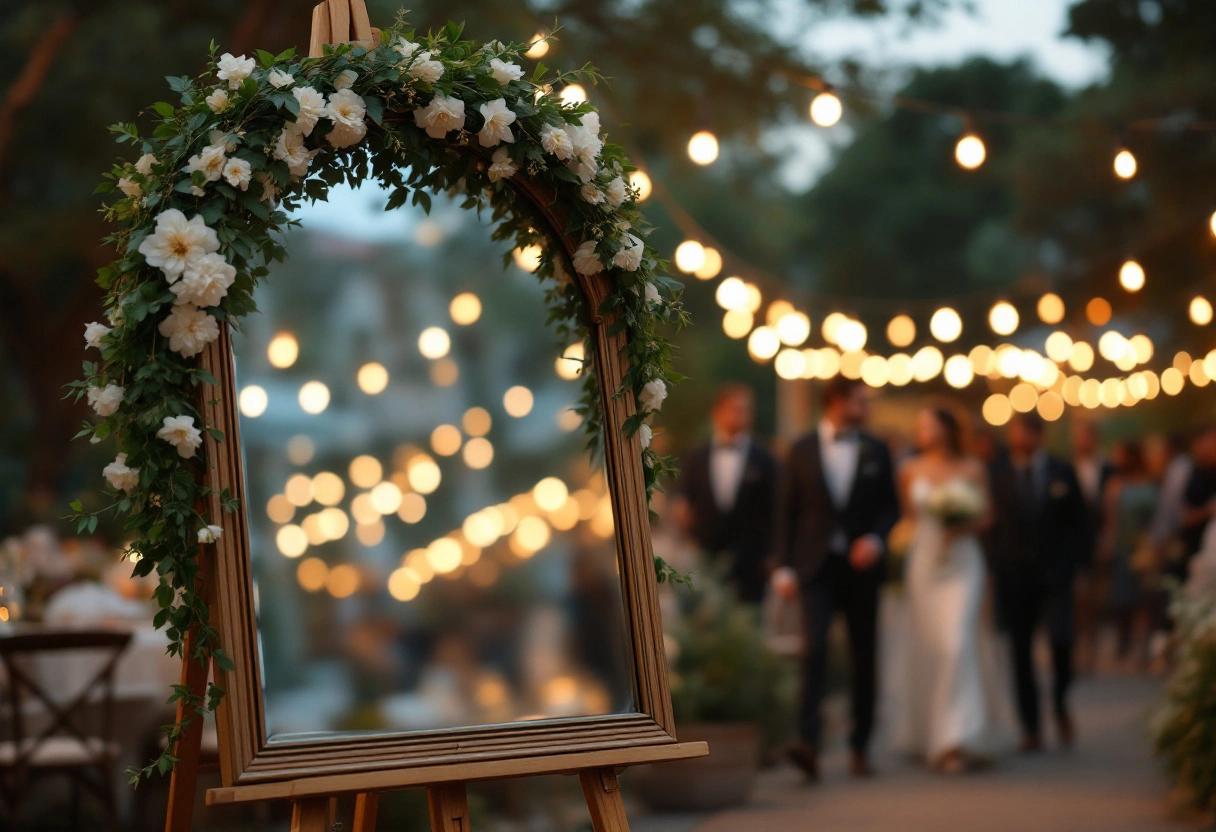
You have three main formats:
Here is the part that most templates get wrong: list guests alphabetically by last name, not table by table. A board that shows "Table 1, Table 2, Table 3" makes 120 people read every table to find their own name, and everyone stands in front of the board at the same time. An alphabetical list takes a few seconds. Split it into two or three columns on a wide board, or make two boards for guests A to L and M to Z.
Put the display where guests walk in, not inside the room, and give it good light. Mirror boards look great but are hard to read under dim lights. Test yours with the venue lighting before the day.
Everything in a seating chart depends on one number: how many people actually said yes, with their partners, kids and meal needs. Invyt collects RSVPs from one link you share by WhatsApp, text or email, counts plus-ones and children in the headcount, and keeps dietary needs on each guest. It's free for up to 25 guests per event, and a one-time upgrade per event covers bigger weddings.
Create your wedding RSVP free and build your seating chart from final numbers, not from guesses.
Under about 40 guests, open seating usually works, as long as you reserve tables for family and the wedding party. Above 50, assigned tables save the awkward hunt for chairs and keep couples and families together. For a plated dinner with meal choices, assign seats at any size so servers know who ordered what.
No. Open seating is common at casual and buffet receptions. It works best with 5 to 10% more chairs than guests, so the last people in still find two seats together. Always reserve the front tables for parents, grandparents and the wedding party, and put a small sign on them.
Usually not. Sharing tables early invites swap requests, and the chart often changes in the last two weeks. Show it on the day at the entrance. The exception is guests with access needs: tell them privately where they will sit, so they can plan how to get there and who will help.
Traditionally the couple and the wedding party, with partners of the wedding party at a nearby table. Many couples now pick a sweetheart table for two instead, which lets the wedding party sit with their own partners and friends. Either choice is fine, so pick the one that splits the fewest couples.
A few guests who said yes won't walk through the door. Here's how many to expect, which guests are most likely to cancel, and how to protect your final headcount without insulting anyone.
Deciding who gets a plus one is one of the trickiest guest list calls you'll face. Here's a clear framework for every scenario, with wording examples and RSVP tracking tips.
Guests not responding to your wedding RSVP? Use this step-by-step system: deadline tips, reminder wording that works, and how to follow up so nothing falls through.
Join thousands of event organizers who trust Invyt for seamless guest list management
Get Started Free