Invyt.App Team
July 12, 2026
8 min read
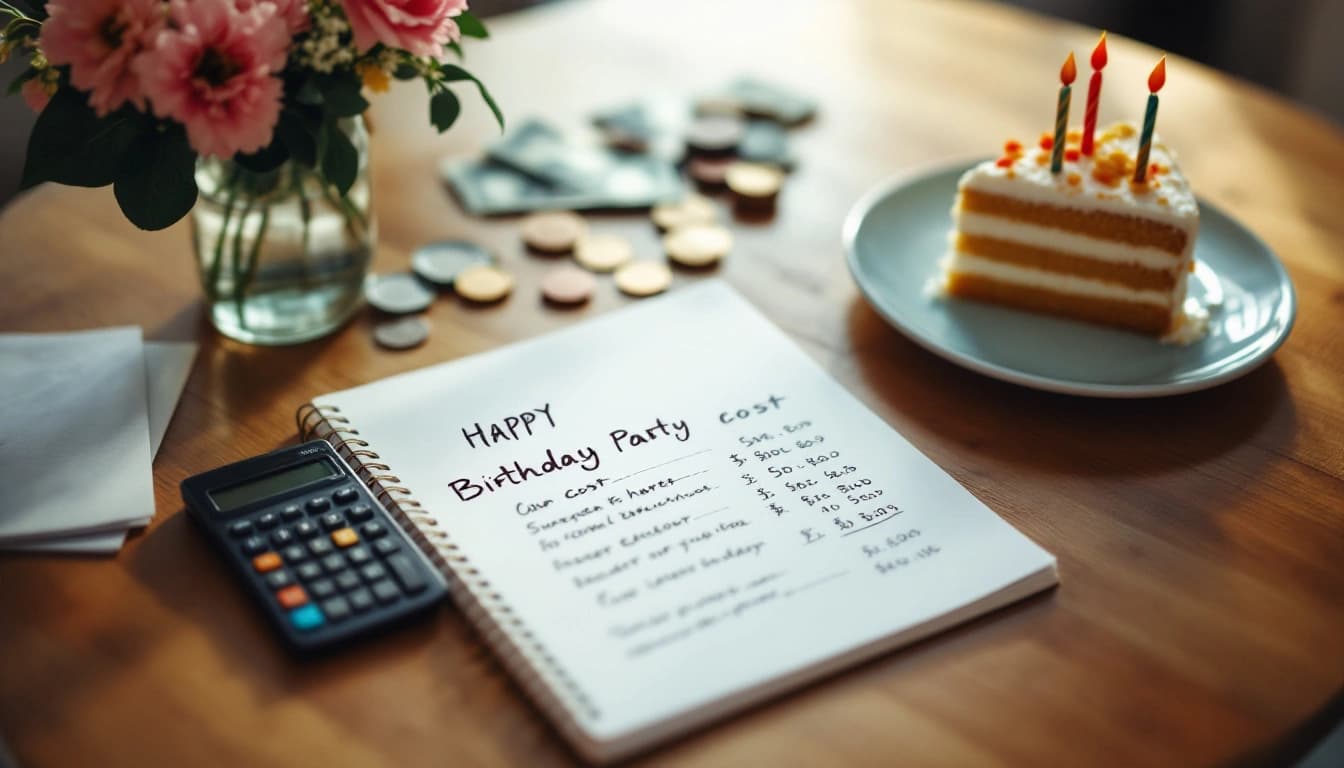
See what a birthday party actually costs at 15, 40, and 100 guests, broken down by venue, food, decorations, entertainment, and cake.
Planning an event?
Invyt handles your RSVPs so you can focus on the celebration — not the spreadsheet.
Try Invyt free →A home party for 15 people can be done for around $200. Rent a hall, hire a caterer, and invite 100 guests, and the same basic idea costs $4,000 or more. The gap isn't really about taste. It's guest count, and guest count drives every other line item on the budget.
Below is what birthday parties actually cost at three common sizes: a small gathering of 15-20, a mid-size party of 30-50, and a large celebration of 75-100+. Every number reflects US averages for 2026 and assumes a party that's nice but not extravagant. Your city, your caterer, and your Saturday-in-June premium will shift things up or down, but the proportions hold steady.
Quick summary: Small parties (15-20 guests) run $200-600. Mid-size parties (30-50 guests) run $700-2,000. Large parties (75-100+ guests) run $2,500-6,000+. Food is the biggest line item at every tier. Track your RSVPs free on Invyt so your final headcount, and your catering order, are based on real numbers instead of guesses.
Every cost category on a birthday party scales with headcount, but not at the same rate. Food and cake scale almost linearly, more mouths means more portions. Venue rental scales in steps, a backyard is free until you hit the point where you need tables and a tent, then a hall becomes cheaper than renting furniture for 80 people. Entertainment barely scales at all: a DJ or a bounce house costs roughly the same whether 20 or 60 kids show up.
That means the "cost per guest" you read in generic budget articles is misleading. It drops as the party grows, then jumps again once you cross a threshold that forces a venue change. The tables below show both the total and the per-guest number so you can see where those jumps happen.
This is a home or backyard party, casual food, and decorations you mostly buy yourself. It's the default for a kid's party with a few friends, an intimate adult birthday, or a milestone celebration you're keeping low-key on purpose (see our milestone birthday ideas guide if you're deciding how big to go for a 30th, 40th, 50th, or 60th).
At this size, the venue line is usually zero, which is why the total swings so widely. The gap between $155 and $640 is almost entirely a decision about whether you hire anyone at all, not a difference in how "nice" the party is.

This is where most parties stop being purely DIY. You're renting a space (or borrowing a large backyard and paying for a tent), hiring at least one vendor, and catering instead of cooking.
Notice the per-guest cost actually lands close to the small-party range, sometimes lower. Catering at volume gets cheaper per head, and a flat venue fee gets divided across more people. This is the sweet spot where scale starts working in your favor instead of against you.
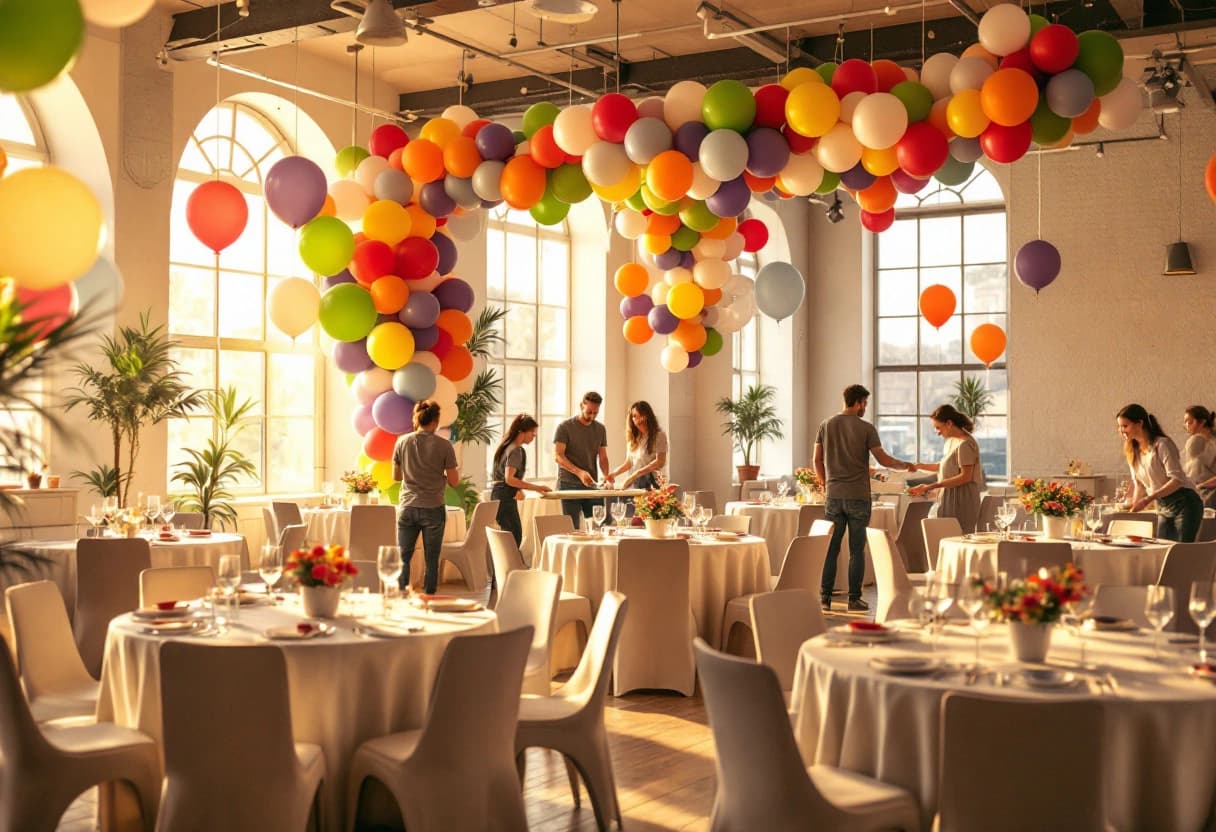
At this size you're running something closer to a small wedding reception than a birthday party. Venue, staffing, and rentals become non-negotiable, and vendors start charging event-level rates instead of party-level rates.
The per-guest cost climbs back up here, mostly because of staffing. A caterer that needs three servers for 90 guests charges for that labor, and a DJ working a five-hour reception charges reception rates. This is also the tier where a paper invitation and mailed RSVP cards become genuinely expensive: printing, addressing, and postage for 90-100 invitations runs $150-300 on its own, on top of the reply-card postage you're paying twice.

Across all three tiers, food and drink is the single largest category, typically 35-45% of the total budget. Venue comes second once you're paying for one at all. Decorations and cake are the categories people overspend on relative to how much guests actually notice, mostly because they're the most fun to shop for.
A useful gut check: if your decorations line item is bigger than your food line item, something is off. Guests remember whether they were fed well and whether the space felt intentional. They rarely remember the specific balloon color.
Trim the guest list before you trim anything else. Cutting 10 names off a 50-person list saves more money than downgrading the cake, the venue, or the decorations combined, because it reduces every category at once.
Move the party to an off-peak time. A Sunday brunch or a weekday-evening party gets you better venue rates than a Saturday afternoon slot, often 15-20% lower.
Cater smarter, not cheaper. A taco bar or pasta station feeds a crowd for less per head than plated meals or a full buffet spread, and it reads as more festive, not budget.
Skip printed invitations entirely. A digital RSVP page costs nothing to send to 15 people or 150, and it gives you a live guest count instead of a guess, which prevents the classic mistake of over-catering for no-shows. Set up a free event page and the RSVP tracking handles the headcount for you.
Ask one vendor to do double duty. A DJ who also serves as MC, or a baker who supplies both the cake and the dessert table, saves a separate booking fee.
Rent, don't buy, for anything single-use. Tablecloths, chair covers, and centerpiece vases add up fast to purchase and usually get donated or thrown out after one use. Most party rental companies price a full table setting cheaper than buying the pieces individually.
Start with your guest count, then work through five questions in order:
Multiply your per-guest food estimate by your confirmed headcount, not your invited headcount. According to Eventbrite's planning research, hosts routinely over-order food by 20% or more when they budget off the invite list instead of actual RSVPs, since decline and no-show rates run 10-20% for casual events. That gap is real money sitting on a buffet table nobody touched.
For a full checklist covering the rest of the planning timeline beyond budget, see our birthday party planning guide. And if you're weighing whether digital invitations are worth switching to, the digital birthday invitations guide walks through setup for any age group.
Ready to lock in your headcount? Invyt's birthday RSVP tracker is free to set up and gives you a live guest count as responses come in, so every budget number above is based on who's actually attending, not who was invited.
Plan on $15-25 per guest for a casual home party with light food, and $40-75 per guest once you add a rented venue, full catering, and entertainment. Kids' parties skew toward the lower end since food portions are smaller and many venues charge flat package rates instead of per-head fees.
Food and drink, almost always. Catering or a stocked buffet typically eats 35-45% of the total budget, more than venue, decorations, and entertainment combined. Cutting the guest list by even 10-15 people has a bigger budget impact than trimming any other single line item.
Home hosting saves $200-800 in venue fees but shifts cost into cleanup, extra seating, and parking logistics you don't think about until the day of. For groups under 25, home usually wins on cost. Past 40-50 guests, a venue with built-in tables, chairs, and parking often costs less than what you'd spend adapting a house or backyard.
Cut the guest list before you cut quality. A tighter list of 20 people with good food and real flowers reads as more thoughtful than 50 people with sheet cake and dollar-store balloons. If the list is fixed, put the savings into food (the thing guests remember) and pull back on decorations (the thing they forget by Monday).
Yes, and it's one of the few line items you can cut to zero without any tradeoff. A printed invitation set with postage runs $50-150 for a mid-size guest list; a digital RSVP page costs nothing and gives you a live headcount, which prevents overbuying food and drink for the day.
Plan a birthday party in six stages: set the budget, pick a date, book the venue, send invitations, confirm the headcount, then handle day-of logistics.
Milestone birthdays deserve more than a generic party. Here's how to plan a 30th, 40th, 50th, or 60th that actually fits the person turning it, decade by decade.
Digital birthday invitations let you send in seconds and track RSVPs automatically, no group chat guessing required. Here's how to set one up for any age, free.
Join thousands of event organizers who trust Invyt for seamless guest list management
Get Started Free