Invyt.App Team
April 28, 2026
Updated September 5, 2026
9 min read
The average wedding in 2026 costs $36,000, but the median is $18,000. Here's how to allocate your budget by category and keep costs under control.

Planning your wedding?
Invyt makes RSVP management easy — track guests, dietary needs, and plus-ones all in one place.
Try Invyt free →The average wedding in 2026 costs $36,000. The median is closer to $18,000 — half of all couples spend less than that. The range runs from $5,000 micro-weddings to six-figure celebrations in New York or San Francisco.
That sounds like a wide target, and it is. But the categories that make up that total are predictable. Once you understand how the money actually flows, the budget decisions get clearer. Here's the full breakdown by category, the hidden costs that catch most couples off guard, and the one variable that controls more of your total than anything else.
Most couples end up allocating money in roughly the same proportions, whether they've budgeted carefully or not. Venue and catering together claim nearly half the budget. Photography takes another 10 to 12%. Everything else fills in around those two anchors.
Sources: Zola 2026 wedding cost report, The Knot Real Weddings Study, greatevent.com 2026 breakdown
A few things stand out. Bar service is often listed separately from catering, but it comes from the same vendor, so the combined food-and-drink cost frequently exceeds $12,000 before the venue rental is added. Photography tends to be underestimated early and then becomes a line item couples resist cutting once they've met photographers they love. And that final row (hidden costs) deserves its own section.
The average wedding adds $3,314 in costs that weren't in the original budget. According to industry surveys, 57% of couples face mandatory venue service fees, and those who do average double the total surprise expenses compared to couples whose venues don't charge one.
Here's where that money tends to go:
Venue service charges and taxes. Many venue contracts add 18 to 25% in fees on top of the headline rental price. A quote of $6,000 can become $7,500 after those charges. Read the contract line by line before signing anything.
Our venue cost calculator exists for this specific problem. It estimates food, bar, rentals, the service charge and the tax as separate lines for your guest count, so you can compare a venue's headline number against a realistic all-in total before you sign. It is worth running before your first site visit rather than after.
Vendor gratuities. Tips are separate from service charges. Budget 15 to 20% of each vendor's fee. For a $10,000 caterer, that's an additional $1,500 to $2,000.
Overtime fees. Photographers, DJs, and venue rentals often charge by the hour once you run past the contract end time. A reception that runs 45 minutes long can add $500 to $1,000 in unplanned fees.
Dress alterations. Wedding dress alterations average $200 to $800 and are almost never included in the purchase price. Budget for them from day one.
Stationery and postage. Heavy invitation envelopes often require extra postage, and physical RSVP cards with return postage add up fast for large guest lists. One practical fix: digital invitations through a platform like Invyt send to your full guest list at no cost, collect responses automatically, and eliminate the paper chase entirely.
At $290 to $300 per guest, your headcount is the single biggest lever in your budget. That figure covers catering, venue space, place settings, favors, and the per-head fees most vendors charge once you cross certain thresholds.
Do the math: cutting 20 people from your guest list saves roughly $5,800 to $6,000. That's more than the average couple spends on flowers for the entire wedding.
This is why almost every budget conversation eventually comes back to the guest list. Whether you choose the pricier centerpiece or the affordable one doesn't move the needle much. Whether you have 100 guests or 120 moves it significantly.
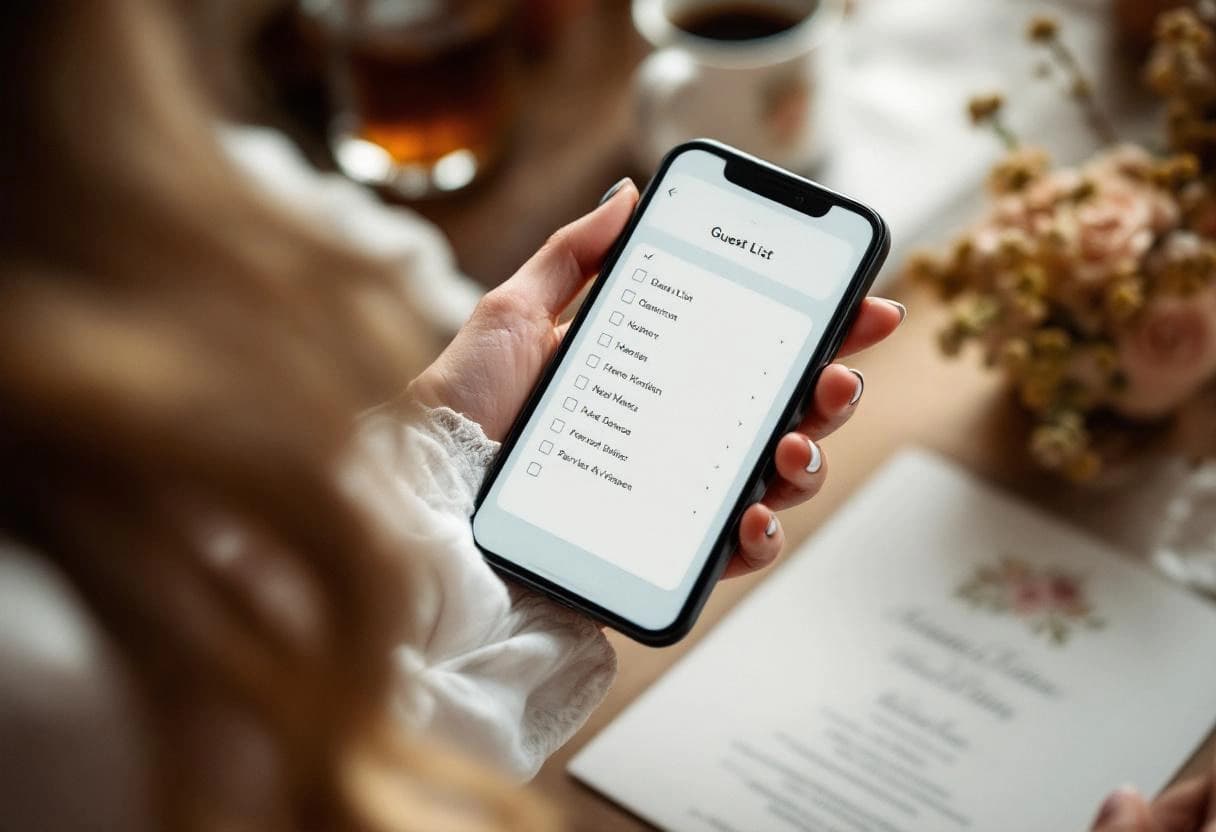
What makes headcount tricky is that it rarely stays fixed after invitations go out. People who accepted cancel. Plus-ones get added late. Family pressure adds names after the list was "finalized." Each of those changes carries a cost, and most couples don't track them closely enough to see the runup coming.
A wedding guest list calculator that turns your invite list, your expected attendance rate, and your plus-ones into a realistic headcount tells you what that guest count actually costs before you're locked into a caterer's final count. That's budget management as much as it is logistics.
Location is the other major multiplier. A 150-guest wedding in San Francisco averages around $85,000. The same wedding in Milwaukee averages around $43,000 — nearly half the cost for an equivalent celebration.
High-cost markets: San Francisco, New York, Los Angeles, Boston, Washington D.C., and most major coastal cities.
Lower-cost markets where couples regularly find better value: Milwaukee, Indianapolis, Columbus, Kansas City, and most mid-sized Midwestern and Southern cities.
If your guest list and your dream venue are both pushing your budget to its limit, location flexibility is one of the few levers large enough to close the gap meaningfully. Some couples have found that a destination wedding in a lower-cost city (even factoring in travel for close family) comes in well under what a local wedding in an expensive market would cost.
One caution for couples planning outside the United States: every figure on this page is a US average, and the cost structure itself changes across borders, not just the price level. Service charges are standard practice in some markets and unheard of in others, and consumer prices in the Netherlands and Brazil already include tax rather than adding it at the end. The venue cost calculator models each market on its own terms instead of converting a US number into euros or reais.
Most couples set a total number, then figure out what the wedding costs. The result is usually that the wedding costs more than the number. The better sequence is: price out what you actually want, compare it to what you can spend, and make real tradeoffs before committing to anything.
A framework that tends to hold:
For a full walkthrough on managing responses once invitations are out, the complete guide to online wedding RSVPs covers the process from setup to final headcount.
The $36,000 average masks how many couples deliberately choose smaller celebrations. Micro-weddings (typically 20 guests or fewer) often come in between $5,000 and $15,000, and can be genuinely beautiful without the scale.
The math is simple: at $300 per head, 20 guests means $6,000 in per-person costs. The venue shifts from a 200-person ballroom to a restaurant private room or a home with a catered meal. Photography and flowers remain, but scaled. Many couples find that a smaller wedding lets them invest more per guest in quality without paying for quantity.
The tradeoff is social: smaller guest lists require harder decisions about who makes the cut. That's a real cost, just not a financial one.
Stationery takes 2 to 3% of the average wedding budget (roughly $500 to $1,000 for most couples), covering design, printing, envelopes, and postage.
Digital invitations change that math. A platform like Invyt lets you design an event page, send the link to your full guest list, and collect RSVPs automatically at no cost. You're not sacrificing elegance for practicality; the pages are built for weddings specifically.
The $500 to $1,000 that printed invitations would have consumed goes elsewhere: toward the photographer you'd otherwise compromise on, toward flowers, or straight into the buffer fund for those hidden costs you now know are coming.
For a deeper look at keeping your headcount under control once invitations are out, the guest list management guide covers it from first invitation to final caterer count.
If you are only just engaged, the budget conversation comes earlier than most couples expect. Our guide to your first 30 days after getting engaged covers when to have it and what to agree on before you tour a single venue.
The average wedding in 2026 costs $36,000 according to industry data from Zola and The Knot. The median is closer to $18,000, meaning half of all couples spend less. Costs range from under $10,000 for micro-weddings to over $100,000 for large celebrations in major cities.
The average cost per guest at a 2026 wedding is $290 to $300. This makes guest count the single biggest variable in your total budget. Cutting 20 guests from your list saves roughly $6,000, which is more than most couples spend on flowers for the entire day.
The venue is the largest single wedding expense in 2026, averaging $8,573 and about 24% of the total budget. Catering is second at $6,927. Together, venue and catering typically consume 43 to 48% of the total wedding budget before any service fees are applied.
Trim your guest list first. At $290 to $300 per person, every guest cut saves real money across venue, catering, and favors. Other high-impact moves: choosing an off-peak date (Friday or Sunday can save 10 to 30%), managing your RSVP process tightly to avoid paying for no-shows, and reading venue contracts for hidden service charges before signing.
Traditional printed invitations for 150 guests cost $400 to $800 including postage. Digital invitations through a platform like Invyt cost nothing to send, and you get automatic RSVP tracking built in. Couples who go digital typically redirect that budget to food, flowers, or the honeymoon.
More than half of engaged couples now use AI to plan their wedding. Here's where ChatGPT saves real hours, where it quietly gets things wrong, and the prompts worth copying.
Online wedding RSVPs save you hundreds of dollars on paper cards, give you real-time attendance tracking, and spare your guests the stamp hunt. Here's how to set one up the right way.
Discover the secrets to a stress-free wedding day with our expert tips and tricks on managing your guest list, using InvitApp.
Join thousands of event organizers who trust Invyt for seamless guest list management
Get Started Free